

AI MVP Development: How Startups Validate AI Products Faster
Learn how startups build and validate AI MVPs faster using modern AI infrastructure and LLM technologies.
September 1, 2026
•
6
min read
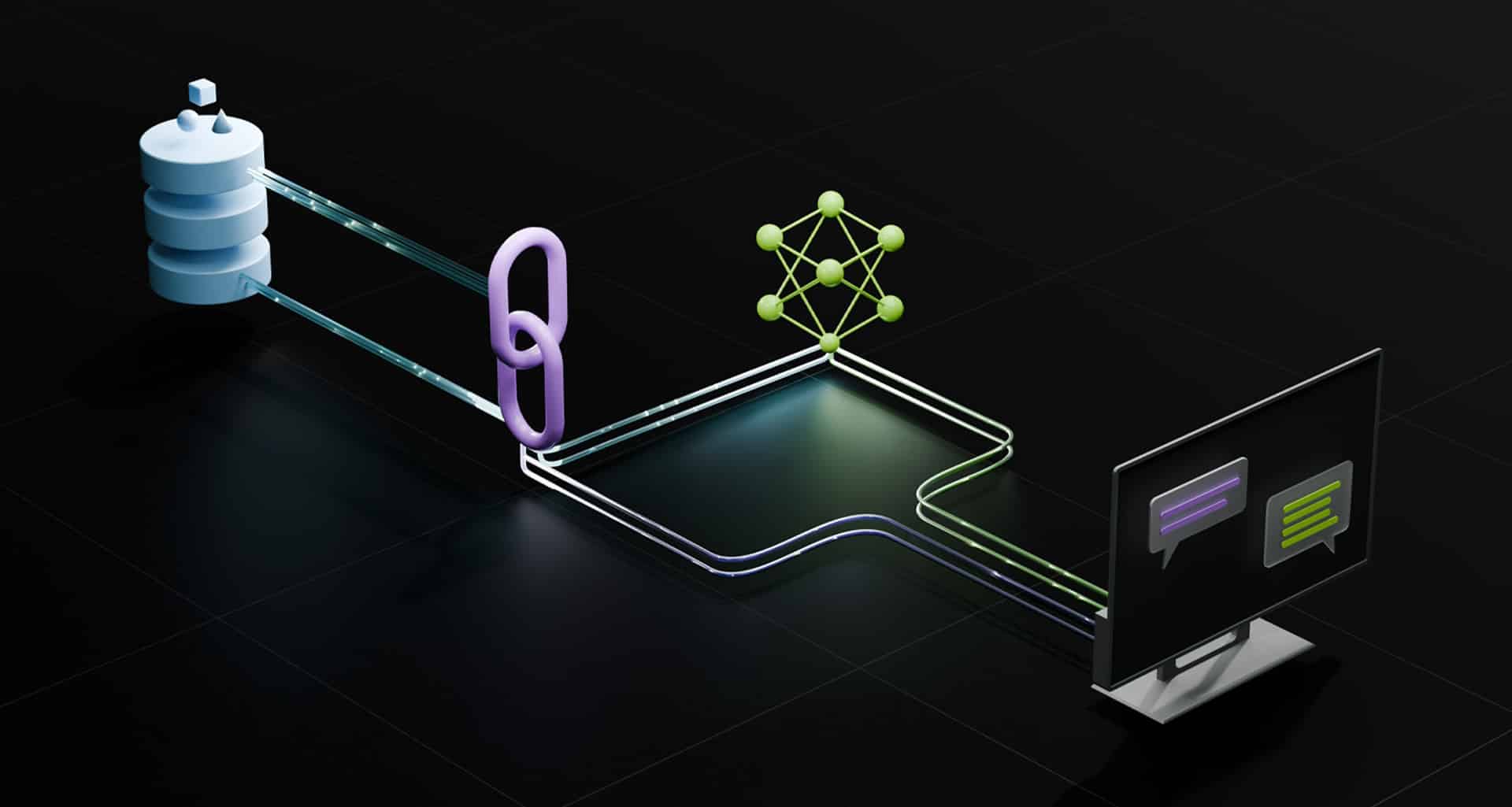

Basic RAG solved first-generation enterprise AI problems pretty well. It gave LLMs something they were desperately missing: access to fresh, private, domain-specific knowledge without retraining the whole model every time a policy, product doc, contract clause, or support article changed.
That shift made RAG the default architecture for a lot of enterprise AI work. The reason is simple: RAG helps with three painful LLM problems at once: outdated knowledge, hallucinations, and lack of traceability. A major RAG survey describes retrieval-augmented generation as a way to improve accuracy and credibility in knowledge-intensive tasks by connecting LLMs to external databases and domain-specific information.
But anyone who has shipped a real RAG system knows the honeymoon phase ends fast.
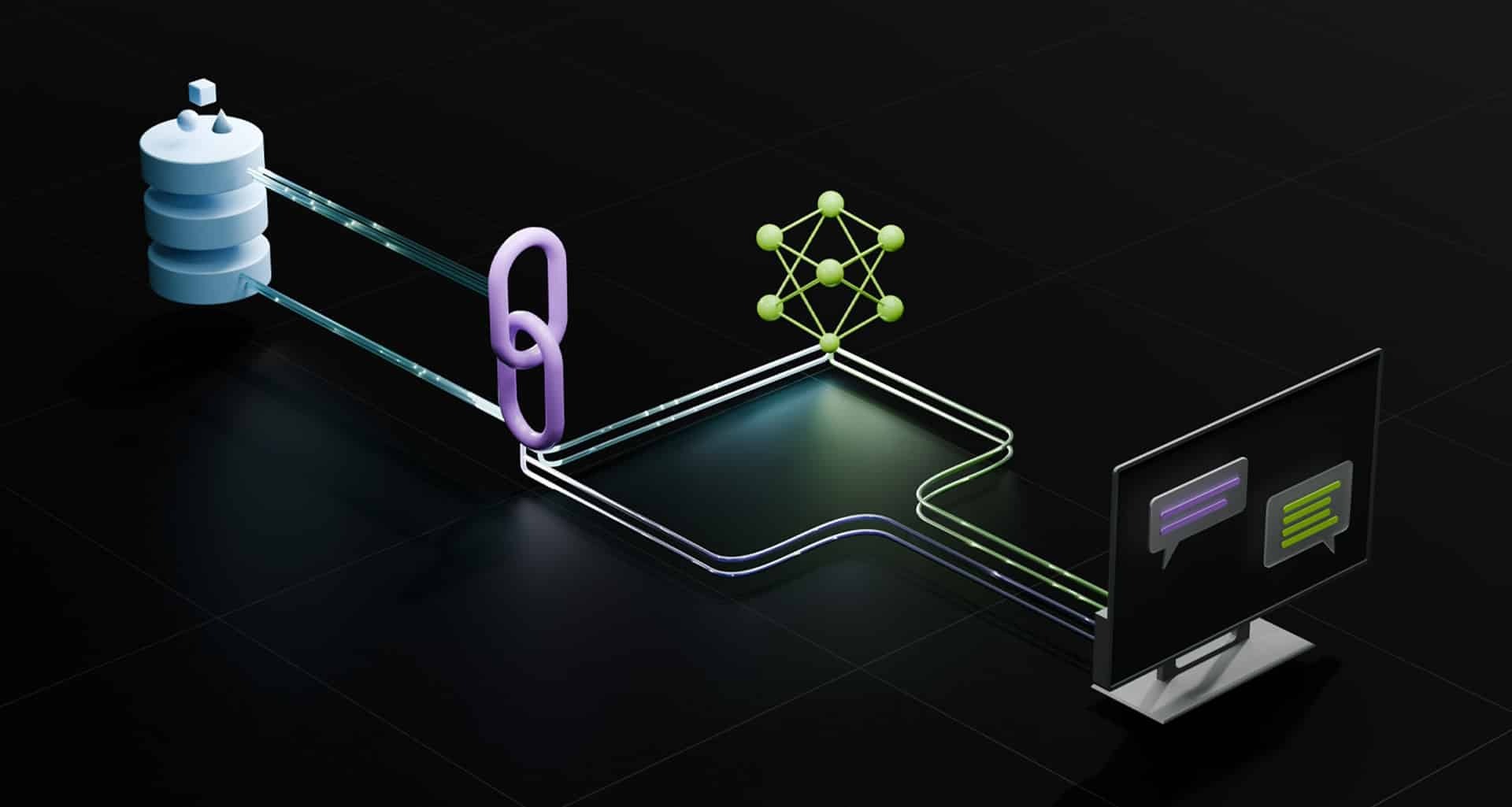
Source: https://blogs.nvidia.com/blog/what-is-retrieval-augmented-generation/
Your first demo looks magical. Your production system looks like a debugging thread full of questions: why did it retrieve that chunk, why did it miss the obvious document, why did the model cite the wrong source, and why does latency explode every time the query needs more than one step? But production systems fail in messier ways. They retrieve outdated documents, miss important context, mix unrelated chunks, ignore access rules, or struggle when the answer requires several retrieval steps.
That is where we follow advanced RAG. Modern RAG is moving toward something more.
Traditional retrieval-augmented generation looks clean in theory:
user query - embedding - vector search - top-k chunks - prompt - answer
That pipeline is great for demos and internal prototypes. It is also the reason a lot of teams think they already have enterprise AI search figured out after wiring OpenAI, LangChain/LlamaIndex, Pinecone/Weaviate/Qdrant, and a few PDFs together.
The core issue is that basic RAG treats retrieval like a one-shot lookup problem. That works when the answer lives in one clean paragraph. Traditional RAG starts breaking once retrieval becomes more than “find a similar paragraph.” Embedding search finds chunks that are close in vector space, not necessarily chunks that are current, permission-safe, legally valid, or complete enough to answer the question.
A fixed top_k setup makes this worse: too few chunks and the model misses evidence; too many and the prompt turns into context soup. Basic retrieval augmented generation does not know which source should win. It just retrieves what looks semantically close.
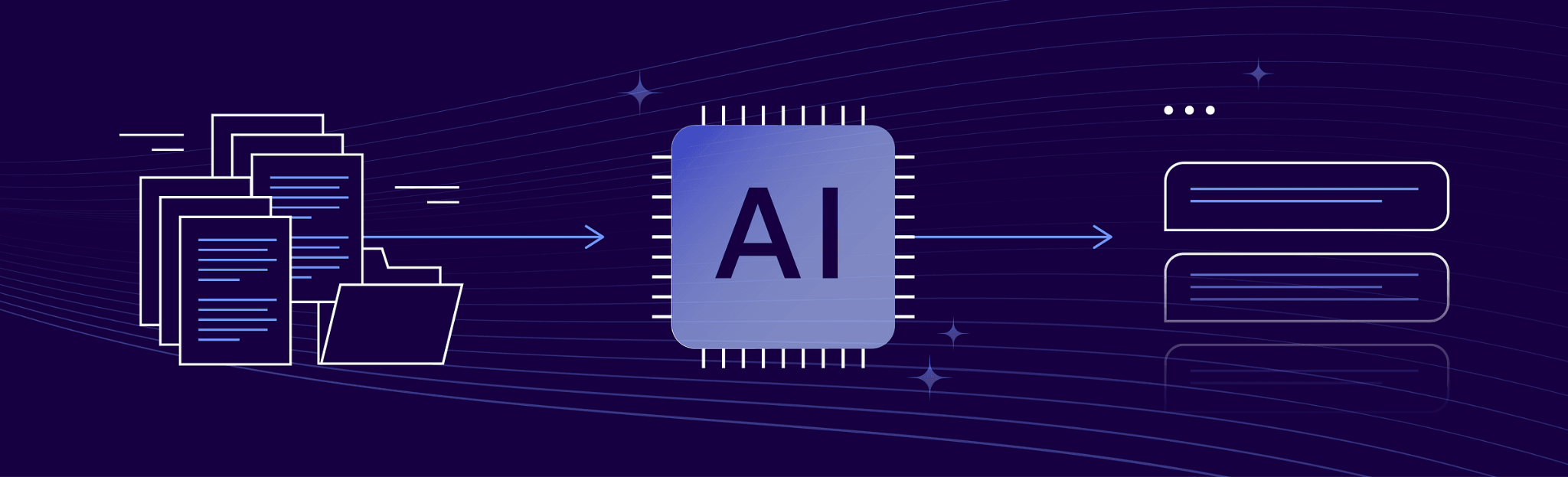
Source: https://swmansion.com/blog/retrieval-augmented-generation-explained-840cbd744c99/
The bigger problem is that business questions are usually multi-hop. “Which customers affected by the outage are up for renewal?” or “What changed between the old policy and the new one?” requires multiple retrieval steps, metadata filters, structured joins, temporal logic, and sometimes graph traversal. Even when the right chunks are present, the LLM can still fail at synthesis, citation, or reasoning.
That is why production RAG architecture needs more than vector search: hybrid retrieval, query rewriting, reranking, ACL-aware filtering, source freshness checks, answer validation, eval datasets, and fallback behavior when confidence is low.
Advanced RAG is a production-grade version of retrieval-augmented generation. It moves beyond embed query - vector search - top_k chunks - LLM and adds control layers around retrieval, ranking, context assembly, and validation.
Next generation RAG usually combines hybrid search, query rewriting, metadata filters, ACL checks, reranking, multi-hop retrieval, graph context, and citation validation. The goal is simple: retrieve the right evidence, remove noisy chunks, respect enterprise constraints, and give the LLM structured context it can actually reason over.
GraphRAG is Retrieval-Augmented Generation with a graph layer in the middle. Instead of retrieving isolated text chunks from a vector database, the system retrieves connected knowledge.
The difference is in structure. A vector search may find five chunks that “sound” relevant. GraphRAG can answer through connections: which customer belongs to which account, which contract links to which policy, which incident affected which product, or which document version superseded another. That makes it useful when the answer depends on relationships.
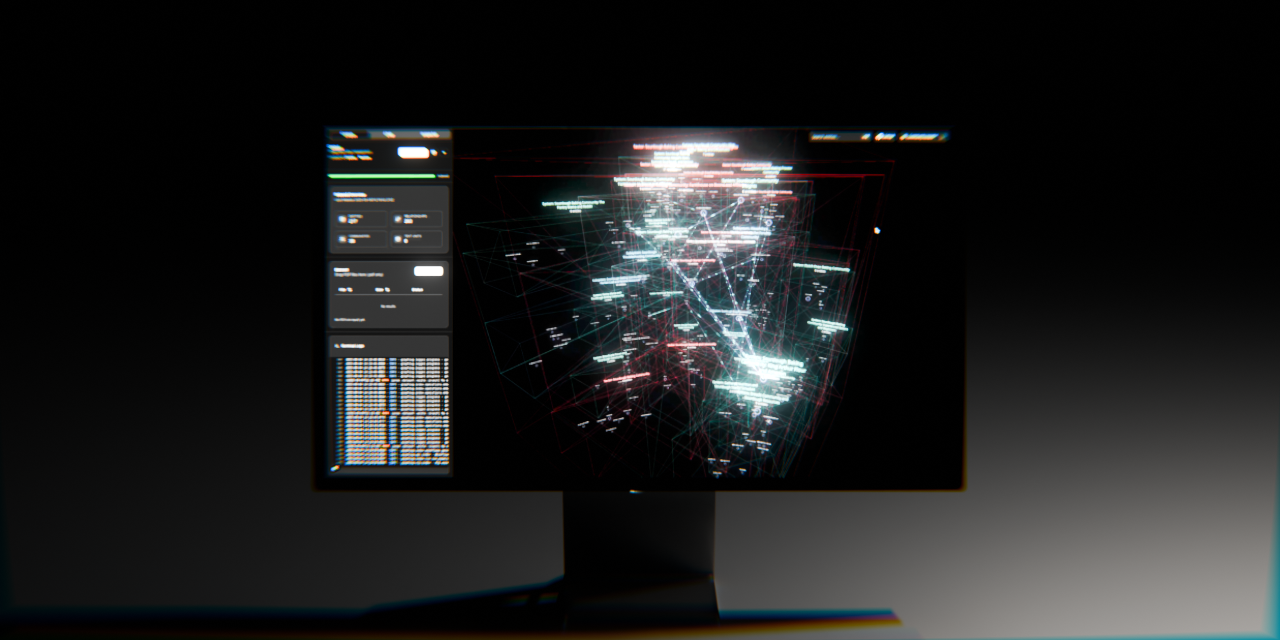
Source: https://github.com/ChristopherLyon/graphrag-workbench
In practice, GraphRAG can use several retrieval patterns:
GraphRAG gives RAG systems a memory map. It helps with multi-hop questions, source hierarchy, entity relationships, version control, compliance search, and enterprise knowledge discovery. It is not always needed for simple FAQ bots, but when your data has relationships, dependencies, ownership, timelines, or permissions, GraphRAG becomes one of the strongest RAG patterns.
Agentic RAG is where retrieval becomes a loop: plan, search, inspect, refine, retrieve again, then answer. Instead of sending one query to a vector DB, an agentic system can break the request into sub-questions, choose the right tool, query multiple sources, compare evidence, and decide whether it has enough context.
That matters for enterprise use cases where one question may touch CRM data, contracts, docs, tickets, analytics, and permissions. For example, “Which accounts affected by the outage are up for renewal this quarter?” is not one retrieval task. The system needs to identify the outage, find affected customers, check renewal dates, filter by account status, and only then generate the response.
The upside is better reasoning and source coverage. The tradeoff is complexity: more tool calls, higher latency, more orchestration logic, stricter evals, and more ways for the system to fail unnoticed.

Source: https://ragaboutit.com/the-architectural-reckoning-why-enterprises-choose-evolution-over-revolution-when-switching-to-agentic-rag/
So agentic RAG is not something you add because you just feel like it. You use it when simple AI knowledge retrieval cannot handle multi-step questions, cross-source workflows, or decisions that need evidence checking before the LLM writes the final answer.
Advanced RAG works best when the business question depends on context. The strongest enterprise use cases are internal knowledge search, customer support automation, compliance review, contract analysis, sales enablement, and technical support. For example, a support AI can pull from product docs, ticket history, release notes, and known issues before suggesting a fix. A legal assistant can compare contract clauses against policy templates and approval rules. A sales assistant can combine CRM data, pricing rules, account notes, and renewal timelines.

Source: https://transcend.io/blog/enterprise-ai-governance
In practice, contextual AI systems are strongest when they support workflows like:
The pattern is the same: when the answer requires trusted context, source ranking, access control, and multi-step retrieval, advanced RAG is usually the right architecture.
For messy enterprise knowledge, choose advanced RAG. If the system needs to handle outdated docs, permissions, duplicate sources, complex policies, or noisy search results, you need hybrid retrieval, reranking, source freshness checks, ACL-aware filtering, and evaluation pipelines.
For relationship-heavy data, choose GraphRAG. If the answer depends on entities and connections (customers linked to contracts, products linked to incidents, policies linked to regions, vendors linked to risks) graph-based retrieval will usually beat flat chunk search.
For multi-step workflows, choose agentic RAG. If the system has to plan, query multiple systems, compare evidence, retry retrieval, or use tools before answering, agentic retrieval makes sense. Just remember: it adds latency, orchestration complexity, and more points of failure, so it should be used where the workflow actually needs it.
Finally, future-proof RAG architecture starts with one boring but critical question: what can break in production? Not “which vector database is trending,” not “which framework has the best demo,” but what happens when data grows, permissions get messy, queries become multi-hop, and users start trusting the answers.
Quantum Core knows how to choose the right RAG architecture—and how to implement it properly once the decision is made. From basic RAG to advanced RAG, GraphRAG, and agentic retrieval systems, we help companies select the setup that fits their data, workflows, and business goals. Contact Quantum Core to design and integrate a RAG system that is built for real enterprise use, for your special case.


Lorem ipsum dolor sit amet, consectetur adipiscing elit. Suspendisse varius enim in eros elementum tristique. Duis cursus, mi quis viverra ornare, eros dolor interdum nulla, ut commodo diam libero vitae erat. Aenean faucibus nibh et justo cursus id rutrum lorem imperdiet. Nunc ut sem vitae risus tristique posuere. uis cursus, mi quis viverra ornare, eros dolor interdum nulla, ut commodo diam libero vitae erat. Aenean faucibus nibh et justo cursus id rutrum lorem imperdiet. Nunc ut sem vitae risus tristique posuere.
Reply