

AI Development
AI Integration Services: Connecting LLMs with CRMs, ERPs, and Internal Systems
Learn how businesses integrate LLMs and AI systems with CRMs, ERPs, databases, and enterprise workflows.
July 23, 2026
•
8
min read

You have an AI product idea, an obvious business objective, and most likely one big question: what is the right architecture for building it upon? This is where many teams get stalled. Are you going to take RAG to handle live knowledge retrieval, fine-tune to have more controlled model behavior, or use agents to get multi-step task execution? On paper, all three may appear like the right move. In reality, each one solves a completely different problem. And, of course, it influences the way your system scales in production. This guide breaks down rag versus fine-tuning versus agents, so by the end, you will know which approach fits your use case, budget, and delivery roadmap.
At a high level, we are comparing three different ways to make AI useful in a real product. They may all use the same base model, but the system design, cost structure, and maintenance model are very different.

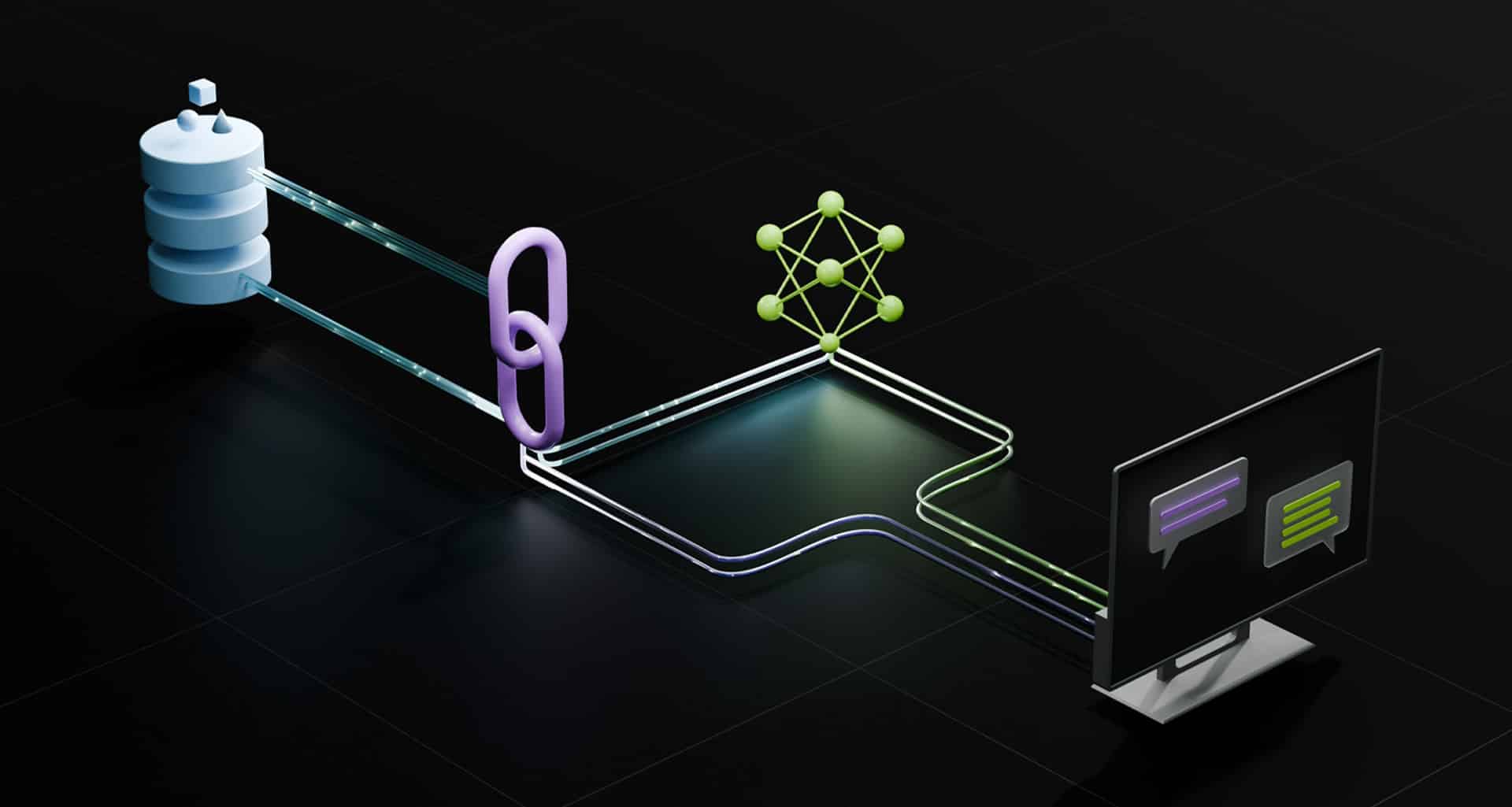
Source: https://techgenies.com/what-does-an-ai-agent-do/
RAG is like giving your AI access to a well-organized company knowledge base. The model does not memorize everything in advance: it pulls the right information when needed and uses it to generate an answer. This is usually the best fit when your content changes often.
Fine-tuning is closer to training a specialist for a specific communication style or repeatable task. Instead of looking things up every time, the model learns patterns, tone, formats, or domain behavior from examples. It makes sense when consistency matters more than live retrieval.
Agents are less like a chatbot and more like a digital operator. They can plan steps, use tools, call APIs, and complete actions across systems. This is the option to consider when the product needs execution, not just output.
RAG works like an AI assistant connected to your internal search layer. The system retrieves relevant documents, policies, or records at the moment of the request and uses that context to generate an answer. A simple business analogy: this is not hiring someone to memorize the whole company wiki; it is giving them a fast way to pull the right file before they respond.
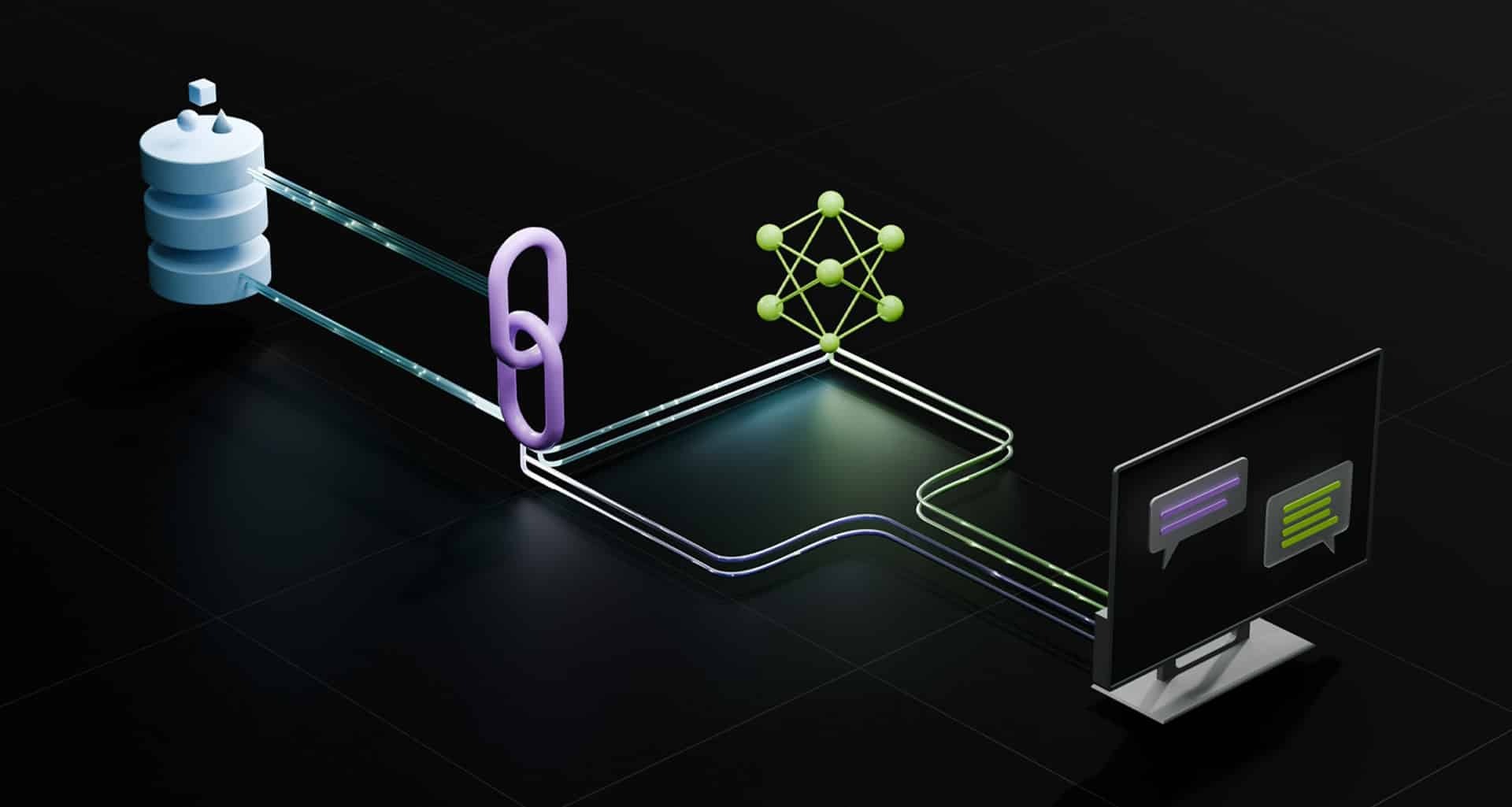
Source: https://blogs.nvidia.com/blog/what-is-retrieval-augmented-generation/
RAG is usually the best option when answers depend on information that changes often or should stay inside your environment. Common use cases include:
It is especially strong when teams ask when to use RAG for large document sets, policy-heavy workflows, or products that need grounded answers.
The main limitation is that RAG is only as good as the data pipeline behind it. If documents are outdated, badly structured, or hard to retrieve, answer quality drops fast. It also does not “teach” the model new behavior very well. It improves access to knowledge, not deep reasoning or brand-specific style.
From an implementation perspective, RAG usually sits in the low-to-medium range for cost and complexity. You need document ingestion, chunking, retrieval, permissions, and evaluation, but you do not have to retrain the model itself. For many teams choosing an AI architecture for business, RAG is the most practical first production path.
Fine-tuning is like taking a good general-purpose model and reducing it to a more specific version with a certain amount of work. Instead of asking the model to adapt on the fly every time, you train it on examples so it responds in a more consistent way across repeated workflows.
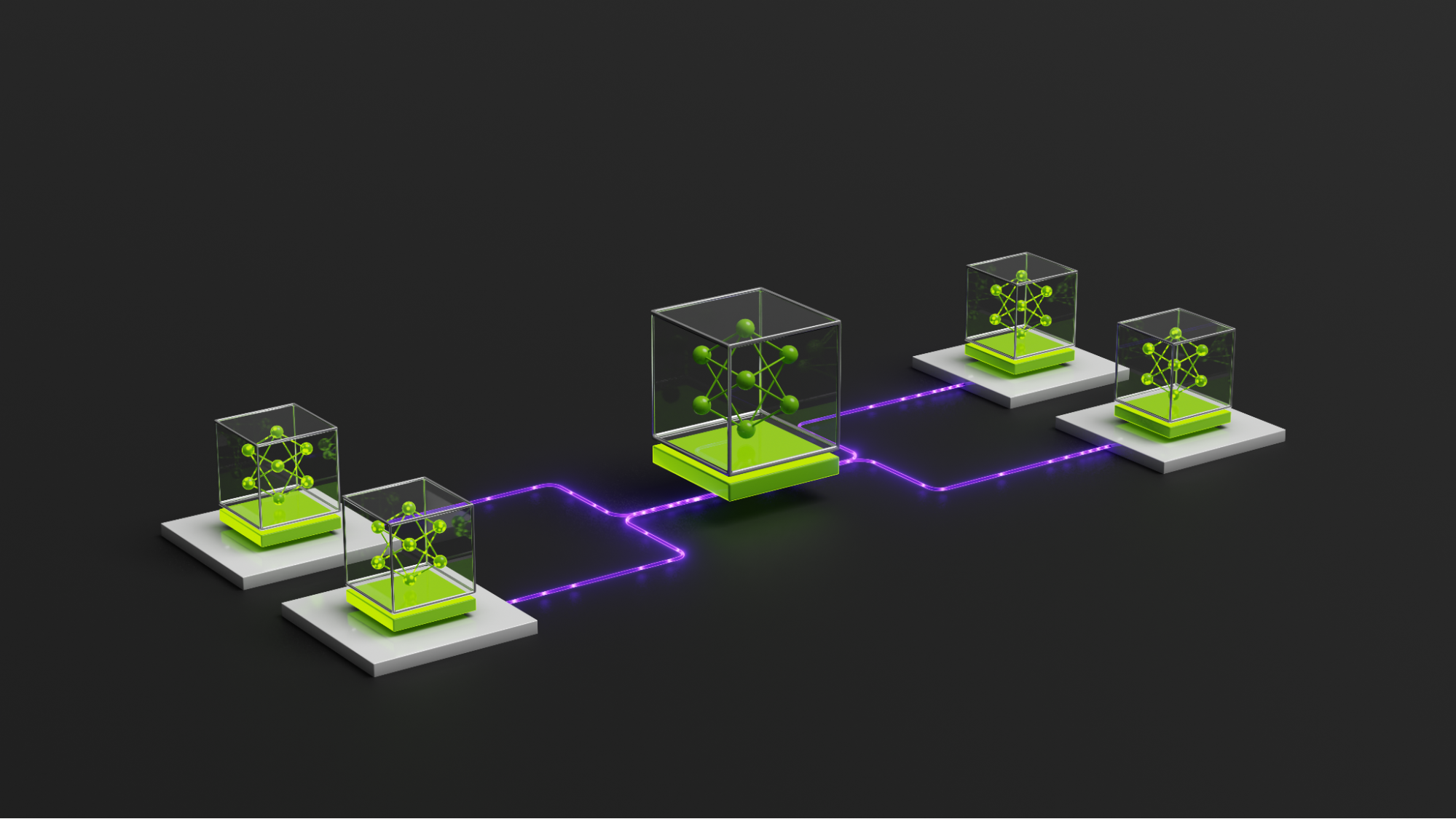
Source: https://developer.nvidia.com/blog/fine-tuning-small-language-models-to-optimize-code-review-accuracy/
Fine-tuning is the appropriate option when the main goal is achieving behavioral consistency over accessing new information. Examples are:
It’s also suitable for industries in which accuracy is based on the model response as opposed to what documents the model retrieved. In the larger rag vs fine-tuning vs agents framework, this choice is typically taken when teams seek an output that reflects higher predictability from the model, per se.
It is usually the wrong choice when your product depends on frequently changing knowledge, internal documents, or live business data. Fine-tuning doesn’t keep the model new with policies, prices, regulations, or support content unless you re-train it.
From a delivery point of view, fine-tuning is typically in the medium–high category because it is relatively expensive and is quite complex. You need clean training data and good examples, testing, and iterations, since the poor choices in that dataset can become part of the model’s behavior. For companies choosing an ai architecture for business, fine-tuning makes sense when consistency is the product requirement.
An AI agent is built for execution. It can break a task into steps, pull the right context, use tools, call APIs, and move a workflow forward with limited human input. The easiest analogy is an operations coordinator: the one who actually checks the system, updates the record, sends the request, and returns with the result.
This approach fits products that need process automation rather than content generation alone. Typical examples include:
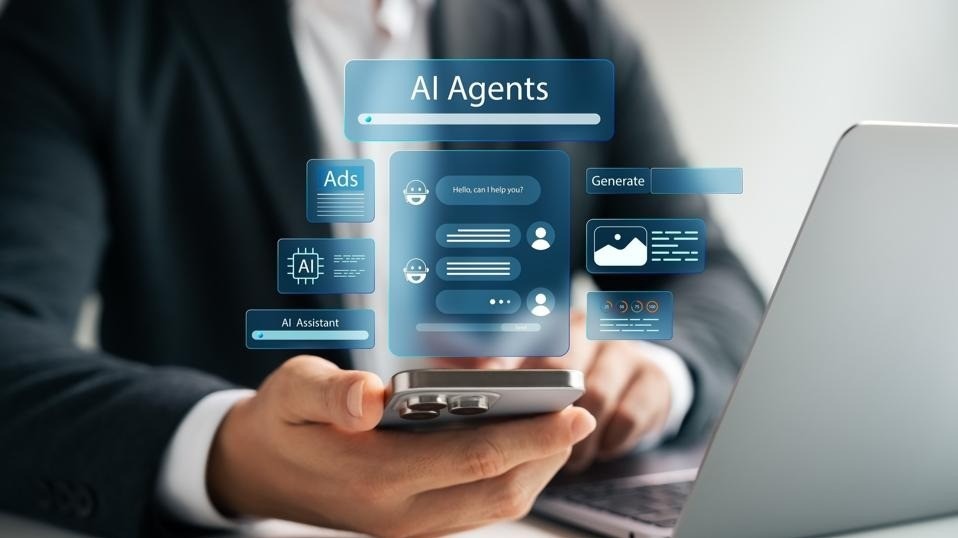
Source: https://www.linkedin.com/pulse/ai-agents-vs-rpa-what-every-business-leader-needs-know-bernard-marr-st0ee
It becomes overkill when the real need is simpler. For instance, answering questions from a knowledge base, summarizing documents, or generating content in a fixed format. In those cases, an agent adds extra orchestration and more failure points. Even more, higher monitoring needs without creating much business value.
In practice, this is the highest-cost option. You have to have access to management tools, workflow logic, permissions, fallback paths, and reliability in production.
Use this as a practical filter before you commit to a build path.
When you begin to see how companies are implementing these architectures in production, the pattern becomes so much more obvious.
A good example of RAG in a business is Morgan Stanley. And the difficulty was not in making the model sound more intelligent. It was to provide financial advisors with quick access to the right internal information at the right moment. In such a form of setup, retrieval is more important than model retraining, because the value lies in grounded answers associated with internal content.
Source: https://www.cnbc.com/2023/09/18/morgan-stanley-chatgpt-financial-advisors.html
Indeed points in a different direction. Its use case was not mainly about pulling fresh documents into every response, but about making model output more relevant and consistent for a very specific workflow. That’s where fine-tuning begins to add up: when the business requires a model to behave like a specialist and not just a general-purpose assistant.
And then there are instances such as Klarna or GitHub’s coding workflows, where good answers are just part of the problem. The system also has to make progress through steps, engage with tools, and do work. That's where agents become useful. They have increased operational complexity, but they also make possible automation that a standard chat interface cannot provide on its own.
Choosing between RAG, fine-tuning, and agents is a product decision tied to your data, workflows, delivery speed, and long-term maintenance costs. That is why the right starting point is usually not “the most advanced AI stack,” but the architecture that fits your business case now and can still scale later.
At Quantum Core, the focus is on building practical AI products. We don’t offer overengineered demos. We provide AI development and integration, along with infrastructure and integration, custom development, and web and mobile development, which makes it a strong fit for teams that need both architecture guidance and end-to-end delivery.
If you are evaluating rag vs fine-tuning vs agents and need help choosing the right path, Quantum Core can help scope the use case, define the architecture, and turn it into a production-ready solution.
Get in touch with us to discuss your project.


Lorem ipsum dolor sit amet, consectetur adipiscing elit. Suspendisse varius enim in eros elementum tristique. Duis cursus, mi quis viverra ornare, eros dolor interdum nulla, ut commodo diam libero vitae erat. Aenean faucibus nibh et justo cursus id rutrum lorem imperdiet. Nunc ut sem vitae risus tristique posuere. uis cursus, mi quis viverra ornare, eros dolor interdum nulla, ut commodo diam libero vitae erat. Aenean faucibus nibh et justo cursus id rutrum lorem imperdiet. Nunc ut sem vitae risus tristique posuere.
Reply